What Counts as Special Items for Movers (and How to Prepare)
Every move includes a few pieces that make even experienced crews slow down and rethink their plan. Movers call these “special items.” The label is not a scare tactic, it is a practical flag. Special items take extra time, materials, or skill to protect and transport safely. When you know which belongings fall in that category and how to prep them, you avoid last minute surprises on the driveway and you reduce the risk of damage on both ends.
The exact list can vary by company, but the logic behind it stays the same: anything unusually heavy, delicate, valuable, awkward to carry, or mechanically complex deserves different handling. The better your inventory captures those details, the more precise your estimate and your move day timeline will be.
What movers mean by “special items”
In the trade, special items generally fall into five buckets. First is heavy with a small footprint, like safes, gun safes, server racks, cast iron stoves, or commercial-grade appliances. Weight concentrates in a small area, which stresses floors, dollies, and ramp angles.
Second is fragile or high-value, such as artwork, large mirrors, glass conference tables, heirloom china cabinets with beveled glass, or custom light fixtures. They are not necessarily heavy, but they are easy to damage and hard to replace.
Third is oversized or awkward geometry. Think sectionals that serpentine around corners, recliners with heavy mechanisms, armoires that exceed standard door clearances, or a king mattress that behaves like a giant sail on a windy porch.
Fourth is mechanical or requires disassembly and reassembly. Pool tables with slate tops, Murphy beds, bunk beds with integrated desks, treadmills, elliptical machines, and modular office furniture fit here. These pieces need more than muscle. They need a method and the right tools.
Fifth is sensitive to environment or orientation. Upright and grand pianos, aquariums, wine fridges loaded with bottles, and refrigerators with compressor oil that migrates if tipped are examples where the way you move them matters as much as the fact that you move them.
Legal or safety restrictions can create a sixth category. Hazardous materials, propane cylinders, fuel, ammunition, and certain chemicals are regulated or outright prohibited on moving trucks. Those aren’t “special” so much as they are handled differently or not at all.
Examples you will actually see on move day
Pianos intimidate for good reason. An upright can weigh 400 to 900 pounds, with delicate action parts and a thin back panel. A grand involves removing the lyre, legs, and pedals, boxing the lid, and securing the harp and soundboard to a piano board before moving it with a three or four person team. Getting a grand down a flight of stairs requires a plan for the center of gravity, not guesswork.
Pool tables can be simple on the outside and stubborn underneath. Three-piece slate tables demand full disassembly, labeling each rail and pocket, removing and bagging bolts and shims, and wrapping slate sections individually. A one-piece slate, often 400 pounds, needs a different carry team and protection for door frames and stair treads. Slates are brittle at the edges, and felt is easy to stretch or crease if you rush.
Large aquariums create a mixed challenge. The glass is fragile, the stand can be underbuilt, and the cargo inside is alive. You have to stage fish and plants in temporary containers with heaters or aerators, siphon water, secure lids, and ensure the tank travels empty. On arrival, you reverse the process and allow temperature equalization. That requires timing, space, and a clear path, which you only get if you coordinate well.
Safes look like rectangles until you meet a 1,000 pound unit on a second-floor bedroom with a tight quarter turn on the stairs. Moving it safely means using a heavy-duty dolly rated for the load, runners to protect treads, landing protection, and sometimes a stair-climbing machine. The team will pilot-test clearances with a cardboard template before committing.
Sectional sofas and oversized recliners are less dramatic, but they eat time when doorways are narrow. Movers often remove feet and recliner backs, wrap each piece in moving blankets and stretch wrap, and change the carry angle mid-flight to protect both the sofa and the wall corners. With light rain on a Washington day, that wrap becomes essential to keep fabric clean.
Insurance, liability, and why special handling appears on your estimate
Special items affect the estimate for two reasons: time and risk. A crew that can load a typical two-bedroom apartment in three to five hours might spend an extra hour just prepping a piano, or two hours taking down and packing a pool table. That time involves additional pads, shrink wrap, foam, edge protectors, boxes built from picture cartons, and sometimes crating.
Liability is the quiet half of the equation. Valuation coverage for household goods is not the same as full insurance, and movers must adhere to laws about what they can and cannot guarantee. For example, moving a refrigerator on its side can void manufacturer guidance, and reconnecting a gas dryer exposes the crew to risk they are not licensed to assume. This is why many companies will disconnect appliances but require a licensed technician for gas lines, or they will move a fridge but ask you to handle water line reconnection.
If you are comparing companies, look for how they address special items in writing. A good estimator will ask clarifying questions, request photos, and note floor levels, stairs, and tight turns. If the proposal ignores your piano or 8-foot mirror, you are set up for a mid-move change order when the truck is already in your driveway.
Preparing your home and the item itself
Special items travel best when both the environment and the item are ready. Walk the path from the room to the truck and remove obstacles. Door pins can be pulled to widen entryways by a apartment movers seattle aperfectmover.com precious half-inch. Rugs that bunch under a dolly should be rolled or taped down. Stairs can be protected with runners or neoprene treads. It is not unusual for a crew to lay down cardboard sheets or masonite in a straight path from the door to the truck. If they suggest it, they are protecting both your floors and the item.
For the item, the goal is either to minimize movement or to disassemble anything that can create leverage. Drawers come out of dressers when the carcass cannot handle the sideways weight. Glass shelves get removed and wrapped. Loose hardware gets bagged and labeled. For a treadmill, pull the safety key, collapse the deck if the model allows it, and have the owner’s manual accessible or downloaded. With appliances, empty, clean, and in the case of a fridge, defrost at least 24 hours in advance. Tape doors shut, but do not tape directly to painted or stainless surfaces without a barrier, since adhesive residue can mar finishes.
An anecdote from the field: a family once left a grand piano’s bench full of music books and glass paperweights. The box truck ramp flexed as we rolled the bench down, and the weight shifted. The lid popped open and everything slid toward the edge. That close call cemented our habit of asking clients to empty and secure any accessory that can swing, bounce, or open. It saves time and a lot of stress.
A Perfect Mover Moving and Storage Service on common special cases
At A Perfect Mover Moving and Storage Service, the conversation about special items starts during the estimate, long before the truck keys turn. We ask for photos with a tape measure in frame, and we often request a quick video walk-through. That alone catches 90 percent of surprises, such as a basement pool table with a steel support post at the bottom of the stairs or a safe tucked into a closet with a raised threshold. The planner then sets the crew count, equipment, and sequence so those items are tackled early in the day, when everyone is fresh.
We also stage materials differently for these jobs. For artwork, we carry picture cartons, foam corners, and a roll of craft paper to face wrap before blankets and stretch wrap. For aquariums, we pack a small bin with siphon hoses, towels, and contractor bags for substrate, even though the client handles the livestock. The crews run through a short briefing before touching the item. It takes two minutes and prevents a lot of avoidable errors, like lifting a pool table frame that still has a single lag bolt in place.
Pianos: upright versus grand, and how to prepare the room
Uprights move best with the casters locked or removed, the keyboard lid closed and secured, floors protected with neoprene sliders, and a tight blanket wrap. Most damage occurs at corners and on the thin back panel. We pad those spots heavily, then strap to a four-wheel piano dolly.
Grands require more. Clear a 10 by 6 foot staging area. Movers will remove the lyre and pedal assembly, pop the left front leg first while supporting the rim, then lay the instrument sideways onto a padded piano board. The lid and fallboard are wrapped separately. Every screw and bolt gets bagged and labeled by position, a habit that pays off during reassembly when holes are finicky. If the piano must go down stairs, expect a slow, controlled descent with two or three straps looped around the board and spotters watching both the piano and the environment. Your part of the prep is simple: clear space and, if possible, tune after the move rather than before. Even a perfect ride shifts the soundboard slightly.
Pool tables and slate realities
People often ask if movers can “just carry it as one piece.” Short answer, not if you care about the frame and the slate. The risk is cracking the slate or twisting the frame so it never sits level again. Slate edges are sharp and brittle, felt tears if it catches a staple, and the rails dent. The right method is disassembly. Rails off, pockets off, felt peeled or carefully folded if you plan to reuse it, then slate sections removed and wrapped individually. We stage foam corners on slate to protect edges inside the blankets.
On the other side, reassembly requires patience. Floors are not perfectly level, and shims must be reinstalled precisely. If you are combining a move with new felt, tell the moving company. It adds time but results in a cleaner finish and a table that plays as it should.
Appliances: prep and limitations
Refrigerators want a day to defrost. Water in the freezer becomes a leak risk when you tip the unit to cross a threshold. Wipe the interior dry and leave baking soda inside during transport to keep odors in check. Taping shelves and drawers in place can scuff finishes, so we recommend removing and packing them separately in a labeled box.
Washers should be drained, with transport bolts inserted if the manufacturer provided them. Skipping the transport bolts can damage the drum suspension during a bumpy ride, especially on longer moves. Dryers unplug easily, but gas dryers are the line in the sand. Movers typically do not disconnect or reconnect gas lines. Schedule a licensed technician. That is not just policy, it is safety.
Dishwashers are built-in. Unless your move includes deinstallation by a pro, movers will treat the unit as part of the house. If it is being moved, cap the water lines, protect the floor from drips, and plan a cardboard sled to avoid gouging soft flooring.
Artwork, mirrors, and glass furniture
The safest method for large, framed pieces is a face wrap with clean craft paper, foam corners, padded blankets, and a rigid picture carton or a custom crate. The carton matters. A blanket alone protects from scratches, but does not prevent puncture or corner crush. In wet climates, we layer a plastic wrap outside the blanket to seal out moisture between door and truck, then open it promptly to prevent condensation. Mirrors get a tape “X” across the glass before wrap to reduce shatter spread if something goes wrong.
Glass tabletops should be disassembled from bases, with hardware bagged and taped to the base. Glass travels upright, not flat, inside a well-padded carton or crate. Riding flat makes the glass vibrate against any grit and increases break risk over bumps.
Safes and server racks
Weight concentrates in these pieces. Before move day, confirm floor type and stair construction. We often lay temporary load distribution using plywood or masonite on soft wood floors, and we avoid pivoting heavy loads on a single point. If the safe or rack exceeds 500 to 600 pounds and must go up or down stairs, expect specialized equipment and a larger crew. Servers add a data risk layer. Remove drives or at least back them up, and pack accessories and rails in labeled boxes. The rack should be empty for the move, with all cables bagged and labeled.
Home gyms and treadmills
Home gym systems, like cable stations and modular racks, are bolt farms. Photograph each joint before disassembly, use sandwich bags for bolts, and label by location. The largest frames sometimes fit through doors if you remove feet or top cross-members, which saves time. Treadmills move better with the deck folded and the frame wrapped, but watch the weight distribution. The heavy end should face down-ramp. Ellipticals are awkward because of long arms and pedals. We wrap each arm to protect finishes and walls, then use a shoulder harness to keep the weight close to the body through tight turns.
Aquariums, terrariums, and living cargo
Plan the move for a cool window of the day if possible. Fish and reptiles handle transport better when temperatures are steady. Stage a clean work surface near the tank. Siphon water into clean bins for reuse to reduce shock, but transport the tank empty. Live rock and plants ride submerged in lidded containers. Lids matter more than you think. A sharp stop can slosh water out of a bin fast. Before reassembly at the new home, confirm the stand is level. An out-of-level tank twists glass and silicone seams. Allow temperature and salinity to equalize before reintroducing livestock.
Elevators, stairwells, and parking
Special items compound access issues. A grand piano plus a condo with an 8 to 10 am elevator window requires choreography. Reserve the elevator. Pad the cab. Measure the diagonal entry clearance. If the elevator is too small, you face stairs or a reschedule, both of which are avoidable with a site check. For houses on busy streets, pre-plan parking. If a safe or slate must travel 80 feet on a sidewalk because the truck cannot get close, add time and dollies accordingly. If you are moving along I-5 north of Seattle, the worst traffic windows shift travel times. That affects the plan to move special items early or late in the day.
A Perfect Mover Moving and Storage Service: how estimates capture special items
A Perfect Mover Moving and Storage Service trains estimators to ask a series of targeted questions. Does the item fit through standard doorways, or do we need to remove doors? What floor is it on, and what is the path like? Any steps, tight turns, or low overhangs? What is the weight or model number? Photos with tape measures at choke points help us decide if we bring a skid board, a piano board, or a stair-climber. We also flag which items require owner prep, like defrosting a fridge or draining a washer. That clarity prevents the awkward pause on move morning when everyone stands around waiting for ice to thaw.
On move day, the crew lead will walk the home with you, point out the special items and their plan, and confirm any pre-move prep you completed. We set those items in a staging lane near the door so they are not the last objects loaded. Heavy items ride low and forward in the truck to keep weight over the axles, which improves handling and reduces vibration for fragile cargo riding above.
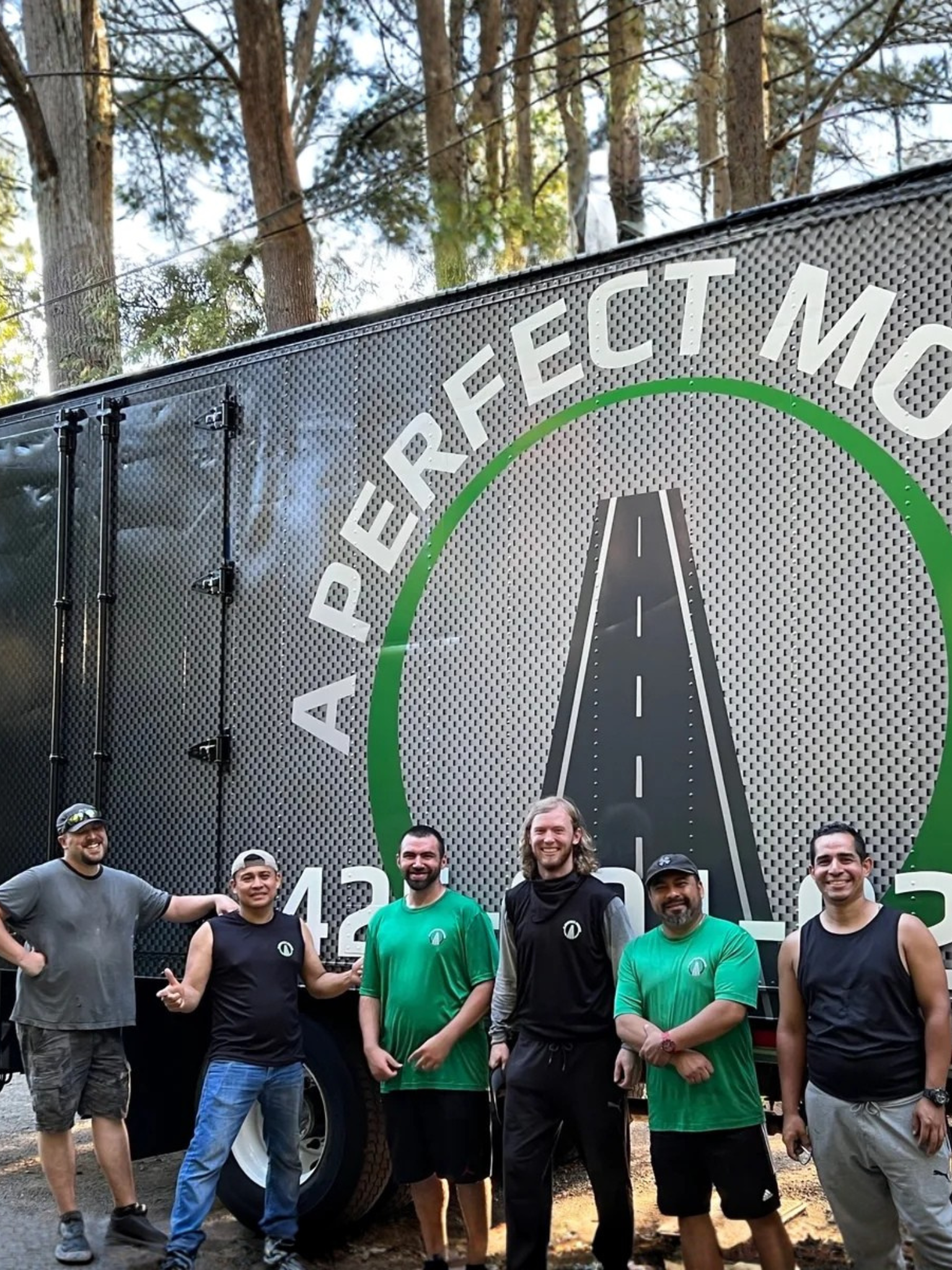
What movers will not or should not move
No reputable mover will put gasoline, propane tanks, fireworks, ammunition, or certain chemicals on the truck. Paint cans that have been opened often leak and should be kept upright in your own vehicle if you must move them at all. Lithium batteries have their own transport rules. Ask your mover how they handle cordless tool batteries or e-bike batteries. Many will ask you to carry them separately.
Plants are a gray area. Most companies will move small houseplants locally if you understand the risk of temperature shock, but balk at moving large planters filled with soil, especially in the rain. Soil traps water that can leak through the truck and create slippery surfaces. If you do move plants, set aside towels and plastic sheeting, and load them last.
How to label and inventory special items
A good inventory avoids disputes and saves time. Label hardware bags by item and location. Write “Bed, master, headboard bolts” rather than “bolts.” Photograph serial numbers on appliances and electronics. Note pre-existing scratches or dings with quick photos. If valuation coverage matters to you, discuss options before move day and understand what documentation your mover will want if a claim arises.
Create a short placement map for delivery. Special items often have exactly one destination that fits. Mark that room clearly. On local apartment moves, this is the difference between getting a piano into the right corner while the elevator is reserved or carrying it twice because the first guess was wrong.
A compact prep checklist for the night before
- Clear pathways, roll or tape down rugs, and remove doors if needed. Empty and stage special items, including drawers, shelves, and accessories. Defrost and dry refrigerators, drain washers, and bag hardware with labels. Photograph serial numbers and any existing damage on high-value pieces. Reserve elevator, confirm parking, and set aside towels, sliders, and floor protection.
That checklist covers 80 percent of the preventable delays we see. The last 20 percent is communication. A quick message with photos to your mover if anything changes in the home layout or access keeps the crew plan aligned with reality.
What happens when plans change mid-move
Even the best plan meets surprises. A sofa fails a corner test, or the pool table slate is one-piece when everyone expected three. Good crews pivot. Sofas can be hoisted temporarily onto a banister and pivoted down. Slates can be handled with additional hands or equipment if weight allows. But it is honest to say that some items require a return visit with the right gear. If a company proposes forcing an item through a gap by “squeezing it,” push back. Walls and frames cost more to repair than the delay.
Weather adds another layer, especially in Western Washington. A dry forecast can turn into a drizzle that turns into steady rain. Wrapping protocols change. We shrink wrap over blankets for upholstered items and stage a canopy at the door if space allows. For glass and artwork, we minimize outdoor exposure and prioritize load order to reduce the number of wet carries. Damp moving pads can transfer moisture to wood finishes, so we rotate in dry pads for final positioning in the home.
Pricing signals that indicate special handling
When you review an estimate, look for line items. If the company lists a “piano fee,” “safe handling,” or “pool table disassembly,” that is a sign they recognized the complexity. A flat estimate that ignores those items may feel cheaper, but often lands you in a conversation on move day about add-ons. Transparency allows you to compare apples to apples and decide whether you want the mover to handle a task or to schedule a specialist.
For hourly jobs, expect added time for disassembly, wrap, carry, and reassembly. A grand piano on a simple ground-floor out and in might add one to two hours. A pool table can add two to four hours depending on slate and re-felt decisions. A safe up or down stairs can add an hour or more, especially with narrow landings.
When a storage plan changes the approach
If your items are going into storage, even short-term, the wrapping standard changes. Upholstered furniture benefits from a full plastic sleeve or shrink wrap over blankets to keep dust and warehouse odor off. Wood pieces do better with breathable materials and desiccant packs if humidity is a concern. For special items, added protection is cheap insurance. Pool table slates get edge guards. Pianos are blocked off away from traffic lanes. Aquariums stay upright on pallets and never carry anything inside them.
If you are using a storage unit, measure the door opening and the interior. A 5x10 handles a surprising volume, but a grand piano or a large armoire will dictate orientation and stacking options. Plan aisle space so you are not forced to climb over a slate or slide a safe again inside a cramped unit.
Two special items people forget to flag
Murphy beds look like cabinets until they do not. The spring or piston mechanism can be dangerous if released incorrectly. Movers need to know the make and whether it is anchored to studs. Disassembly and safe handling require a different sequence than a typical bed.
Large TVs, especially curved or OLED panels, travel best in their original boxes. Without them, movers build a makeshift carton from picture boxes and foam, but it takes time and carries risk. If you disposed of the box, mention the TV size and model so the crew brings the right packing materials.
How to talk about special items during booking
Be specific and assume the planner cannot see your home. “A big piano” is less helpful than “Yamaha G2 grand, main floor to main floor, four steps at the porch, 90-inch sofa through a 32-inch door, parking in the alley.” If you are unsure about dimensions, measure the tightest door width and the item’s widest dimension. Photos with a ruler in frame make everyone’s life easier.
A Perfect Mover Moving and Storage Service often schedules a quick video quote when special items are involved. That 10-minute call prevents an under-resourced crew from showing up and avoids a second trip. If your schedule is tight, this pre-work is the single best use of your time.
The payoff for thoughtful prep
There is a visible difference between a move where special items are an afterthought and one where they are planned. The crew walks in with the right dollies, boards, and padding. The heaviest and most fragile pieces get staged, loaded, and secured before fatigue sets in. Floors and corners remain unscuffed. You do not spend the evening searching for bed bolts because they were bagged and taped where they belong. Most importantly, the items that matter most to you arrive intact and ready to use.
Moving will always include a few puzzles. That is part of the work’s appeal for seasoned crews. Give those puzzles a name, tell your mover about them early, and prepare the environment. The rest unfolds as a series of practiced steps rather than improvised heroics. And on move day, calm beats speed every time.